



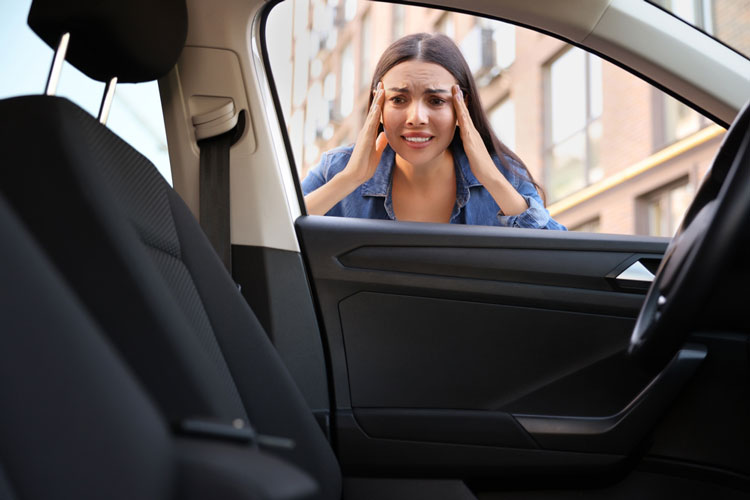
Few situations are as frustrating as standing outside your vehicle, peering through the window at keys sitting on the seat. Car lockouts happen to millions of drivers every year, often at the worst possible moments—during bad weather, late at night, or when you’re already running behind schedule. Understanding why car lockouts occur is the first step toward preventing them and avoiding unnecessary stress, delays, and emergency service calls.
Below are the most common causes of car lockouts and practical ways to reduce your risk.
1. Keys left inside the vehicle
The classic scenario is still the most common. Drivers exit the vehicle, shut the door, and only then realize the keys are still inside. Modern vehicles with automatic locking systems make this mistake easier than ever.
Prevention comes down to building habits. Always confirm you have your keys in hand before closing the door, especially when unloading groceries or managing children or pets.
2. Automatic locking systems
Many vehicles automatically lock after a set time or when the key fob moves away from the car. While this feature improves security, it also increases accidental lockouts.
If your vehicle has programmable settings, adjust them to delay auto-locking or disable it when appropriate. Keeping a spare key nearby can also mitigate the risk.
3. Lost or misplaced keys
Misplacing keys at home, work, or in public spaces can quickly turn into a lockout situation if you don’t have a backup. This is especially problematic for drivers with a single key or expensive smart fob.
- Designate a consistent storage location for keys at home
- Use Bluetooth key trackers for added security
- Keep a spare key accessible but secure
4. Dead key fob battery
Modern vehicles rely heavily on electronic fobs. When the battery dies, the car may not recognize the key, preventing entry even if you physically have it.
Replacing the battery periodically—especially if you notice reduced signal range—can prevent unexpected car lockouts caused by electronic failure.
5. Broken or worn keys
Over time, traditional metal keys can bend, crack, or wear down. A damaged key may fail to turn the lock or snap inside it, leaving you unable to enter your vehicle.
Regularly inspect your key for signs of wear and replace it before failure occurs.
6. Lock mechanism malfunctions
Vehicle locks contain moving parts that can jam due to dirt, corrosion, or mechanical failure. In colder climates, freezing temperatures can worsen the problem, though even in warm regions debris buildup can cause sticking.
Routine maintenance and occasional lubrication can keep locks functioning smoothly.
7. Children or pets triggering locks
A child playing with buttons or a pet stepping on door controls can lock a vehicle unexpectedly—sometimes while the keys remain inside.
When transporting children or animals, take the keys with you whenever you step away, even briefly.
8. Distraction or rushing
Many lockouts occur simply because the driver is distracted—answering a phone call, juggling bags, or rushing to an appointment. Cognitive overload leads to skipped steps in routine behaviors.
Creating a simple “keys-phone-wallet” check before exiting the vehicle can dramatically reduce mistakes.
9. Faulty remote systems
Occasionally, the vehicle’s electronic locking system itself malfunctions, locking doors unexpectedly or failing to unlock them when commanded.
If you notice inconsistent behavior, have the system inspected to prevent future car lockouts.
10. Accidental trunk lockouts
Trunks often lock separately from passenger doors. Placing keys inside while loading items can leave you unable to reopen it, especially in vehicles without external trunk releases.
- Keep keys in a pocket rather than setting them down
- Close the trunk only after confirming keys are secure
- Consider vehicles with proximity unlocking features
What to do if you experience a car lockout
If prevention fails, the safest solution is to contact a professional locksmith. Attempting to force entry can damage door seals, locking mechanisms, or windows, leading to costly repairs.
Professional locksmiths use specialized tools to unlock vehicles without damage and can often create replacement keys on site if needed.
How Sunrise Locksmith helps drivers during emergencies
When car lockouts happen, fast and reliable assistance makes all the difference. Sunrise Locksmith provides professional automotive lockout services designed to get drivers back on the road quickly and safely. Their trained technicians handle a wide range of vehicle types, including modern cars with advanced electronic systems. By using non-destructive entry techniques and offering prompt response times, Sunrise Locksmith ensures that a stressful situation is resolved efficiently while protecting your vehicle from damage.
Frequently Asked Questions
How long does it take for a locksmith to unlock a car?
Most professional locksmiths can unlock a vehicle within minutes once they arrive, depending on the vehicle model and locking system.
Can a locksmith unlock any type of vehicle?
Experienced automotive locksmiths are trained to handle most makes and models, including cars with electronic locking systems.
Will unlocking my car damage the lock or door?
Professional locksmiths use specialized tools designed to open vehicles without causing damage.
Should I call roadside assistance or a locksmith for a lockout?
Both can help, but locksmiths typically specialize in lockouts and may provide faster service, especially for complex locking systems.

)