

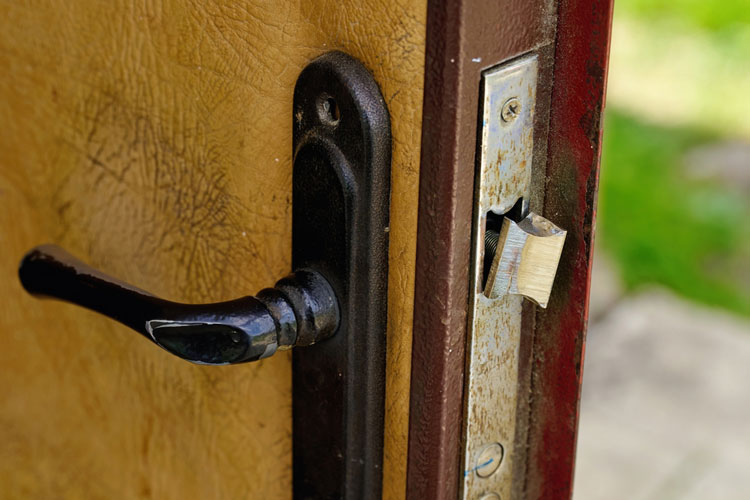
Florida’s coastal lifestyle is hard to beat—but the climate that makes the state so appealing can quietly damage your home and business hardware over time. From salt-heavy ocean air to daily humidity swings and seasonal rainstorms, Florida weather creates the perfect conditions for corrosion, internal lock wear, and premature failure.
If you’ve ever struggled with a sticky key, a cylinder that suddenly won’t turn, or a lock that feels “gritty” inside, you’re not imagining it. Florida’s environment accelerates mechanical breakdown—especially for exterior door hardware, gate locks, and commercial storefront systems exposed to the elements.
This guide breaks down how Florida’s climate affects your locks, what warning signs to look for, and exactly what you can do to prevent expensive lockouts and security risks.
Why Florida’s Climate Damages Lock Hardware Faster
Florida’s environment delivers a one-two punch: constant moisture + salt exposure.
Even if you live miles from the ocean, humidity levels can remain high enough to cause oxidation inside lock cylinders. In coastal areas, the salt in the air acts like a corrosion accelerator, eating away at metal components much faster than typical climates.
Key Climate Factors That Wear Down Locks
-
Salt air exposure (coastal towns and barrier islands)
-
High humidity (moisture enters the cylinder and internal parts)
-
Heavy rain and storm runoff (water seeps into keyways)
-
Heat cycles (daily expansion and contraction loosens components)
-
Hurricane season conditions (wind-driven salt spray and flooding)
Over time, these conditions don’t just make a lock inconvenient—they can weaken security and lead to total failure.
The Real Culprit: Corrosion Inside the Lock Cylinder
Most people notice the outside of a lock first—tarnish, discoloration, or rust. But the most damaging wear happens inside, in places you can’t see.
What Happens Inside the Lock
A standard lock cylinder includes tiny pins, springs, and moving components that must align precisely for the key to work. When moisture enters the cylinder:
-
metal parts oxidize
-
springs lose tension
-
pins stick or bind
-
internal friction increases
Salt exposure makes it worse. Salt draws in moisture and keeps metal damp longer, speeding up corrosion.
This is why Lock Repair in Florida is so common compared to drier states—your locks are fighting the weather daily.
Warning Signs Your Locks Are Breaking Down
Florida lock damage often starts subtly and gets worse quickly. The sooner you recognize the symptoms, the easier (and cheaper) the fix.
Common Signs of Climate-Related Lock Damage
-
The key sticks when inserting or removing
-
The key turns, but the lock feels rough or tight
-
You need to jiggle the key to unlock the door
-
The lock works sometimes—but fails randomly
-
Rust appears around the keyhole or handle screws
-
Deadbolts don’t extend smoothly
-
You hear a crunching or grinding sound in the cylinder
If you notice any of these issues, it’s best to address them immediately. Waiting increases the chance of an emergency lockout—especially during storms or peak humidity months.
The Biggest Mistake People Make: Using the Wrong Lubricant
One of the most common DIY mistakes in Florida is spraying locks with household products like WD-40.
While WD-40 can temporarily loosen parts, it can also:
-
attract dust and debris
-
create buildup inside the cylinder
-
make corrosion worse over time
What to Use Instead
Use a lock-specific lubricant, such as:
-
graphite powder (best for dry internal lubrication)
-
silicone-based lubricants formulated for locks
-
PTFE (Teflon) lubricants for long-lasting protection
Using the right lubricant helps prevent future corrosion and reduces friction.
If you’re unsure what your lock needs, a professional assessment is safer—especially for smart locks, high-security cylinders, and commercial hardware.
Lock Types Most Vulnerable to Salt and Humidity
Not all locks are affected equally. Certain lock types break down faster in coastal and humid regions.
Locks That Wear Down Faster in Florida
-
standard pin tumbler deadbolts with basic finishes
-
padlocks on gates, storage, sheds, and marine equipment
-
mortise locks with aging internal components
-
storefront locks exposed to humidity and traffic
-
rekeyed older cylinders with worn internal tolerances
Many homeowners assume lock failure is “random,” but in Florida, the climate is often the primary cause.
The best defense is proactive maintenance and upgrading hardware when it starts to show wear.
What To Do: A Practical Florida Lock Maintenance Plan
The good news: you can reduce weather-related lock damage dramatically with a simple, repeatable maintenance routine.
Monthly Maintenance Checklist
-
wipe exterior hardware with a dry microfiber cloth
-
keep keyways clean (avoid sand and debris buildup)
-
visually inspect for rust, cracks, or loose screws
Every 3–6 Months
-
apply lock-safe lubricant to cylinders
-
test deadbolts for smooth extension
-
tighten faceplates and strike plates
After Heavy Storms
-
dry locks immediately if exposed to rain
-
check for water intrusion around frames
-
inspect gate and outdoor locks for early rust
Doing this helps lower the risk of emergency failure and extends the life of your locks significantly.
This is also why scheduling Lock Repair in Florida early—before failure—typically saves money.
When Repair Isn’t Enough: When to Replace the Lock
Sometimes maintenance can’t reverse corrosion or mechanical wear. Replacement may be the safest option.
Replace Your Lock If:
-
the key frequently jams
-
rust is visible inside the keyway
-
internal pins stick even after lubrication
-
the lock has been drilled or forced before
-
the cylinder is loose or misaligned
-
the lock is older and no longer secure by modern standards
Upgrading to corrosion-resistant locksets is especially important for:
-
beach homes
-
rental properties
-
commercial buildings near the coast
-
outdoor gate security
Best Lock Upgrades for Florida’s Climate
If you’re replacing locks in Florida, choose hardware designed to handle salt, humidity, and frequent use.
Recommended Lock Features
-
corrosion-resistant finishes (marine-grade if possible)
-
stainless steel or brass components
-
sealed keyways for moisture resistance
-
weather covers for outdoor locks
-
high-security cylinders for long-term durability
Smart locks can also work well in Florida—but only when installed correctly and paired with weather-rated exterior hardware.
For businesses, strong hardware selection can dramatically reduce service calls and downtime.
If your lock is already struggling, getting professional help with Lock Repair in Florida ensures the fix is secure and long-lasting—not just temporary.
Need fast, reliable service to restore security and prevent lock failure? Contact Sunrise Locksmith for professional lock inspection, repairs, and upgrades built for Florida’s climate. Call 954-371-1832
FAQs – Lock Repair in Florida
How does salt air affect door locks in Florida?
Salt particles in coastal air speed up metal corrosion. They also attract moisture, keeping locks damp and causing rust and internal binding.
What is the best lubricant for locks in humid climates?
Use graphite powder, silicone-based lock spray, or PTFE (Teflon) lubricants. Avoid WD-40 for long-term lock maintenance.
How often should I service my locks in Florida?
At minimum, inspect monthly and lubricate every 3–6 months. After storms or heavy rain exposure, service locks immediately.
Should I repair or replace a rusted lock?
If rust is only surface-level, repair may work. If corrosion is inside the cylinder or the lock binds frequently, replacement is safer and more reliable.